Home Blog Page 2

Does Batana Oil Really Grow Hair? Benefits, Uses & Expert Insights

Does Batana Oil Really Grow Hair

If you’re struggling with hair thinning, bald spots, or slow growth, you might have heard of Batana oil—a golden-brown elixir praised in many cultures for its miraculous hair-reviving powers. But does Batana oil grow hair, or is it just another overhyped product?

Let’s dive deep into the science, tradition, and real-world use of Batana oil to answer this.


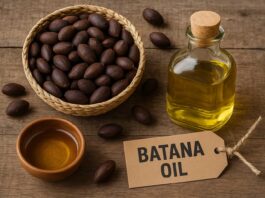
What is Batana Oil?

It is a natural oil extracted from the nuts of the American Palm Tree (Elaeis oleifera), native to La Mosquitia, Honduras. For centuries, the indigenous Tawahka people have used Batana oil to promote hair health, combat dryness, and reverse hair loss.

It’s rich in oleic acid, linoleic acid, antioxidants, and Vitamin E—all essential nutrients known to improve hair follicle health.

🧠 Trivia: Batana oil is often confused with Ojon oil. In fact, Ojon oil is just a commercial name for pure Batana oil used in many luxury hair products.


How Does Batana Oil Help with Hair Growth?

1. Nourishes Hair Follicles

Batana oil penetrates the scalp and strengthens follicles from the root. This stimulates hair growth and improves thickness over time.

2. Improves Scalp Circulation

A healthy scalp equals healthy hair. The fatty acids in Batana oil increase blood circulation, feeding hair roots with vital nutrients and oxygen.

3. Combats Hair Loss and Dandruff

Its antimicrobial and anti-inflammatory properties reduce scalp irritation, often a leading cause of hair loss.

4. Deeply Moisturizes Dry Hair

Batana oil restores shine and softness to even the most brittle strands by replenishing lost oils.

Related Content: Can Hair Grow in a Week?


Is There Scientific Evidence?

While there are limited clinical studies specifically on Batana oil, several studies confirm the benefits of oleic and linoleic acids (present in Batana oil) in enhancing hair density, reducing breakage, and supporting follicle health.

Furthermore, anecdotal evidence and traditional use across generations lend credibility to its effectiveness.

🧠 Trivia: Batana oil was popularized in the U.S. by Dr. Sebi, the renowned herbalist who claimed it could even regrow hair on bald spots with consistent use.


How to Use Batana Oil for Hair Growth

  1. Warm a tablespoon of Batana oil until it liquefies (it solidifies at room temperature).

  2. Massage it gently into your scalp and hair roots.

  3. Leave it for 30–60 minutes (or overnight for deep treatment).

  4. Rinse with a mild, sulfate-free shampoo.

🔁 Use 2-3 times a week for best results.


Pros and Cons

Pros Cons
100% natural and organic Rare and expensive
Deep conditioning benefits Strong, earthy smell
Promotes scalp health Can clog pores if overused
Long shelf life Limited scientific studies

Side Effects and Precautions

  • Perform a patch test before applying the full product to avoid allergic reactions.

  • Avoid use if you have a nut allergy—Batana is derived from palm nuts.

  • Store in a cool, dark place to prevent rancidity.


Who Should Use Batana Oil?

This oil is ideal for:

  • People experiencing hair thinning or hair loss

  • Individuals with dry, brittle, or chemically treated hair

  • Those seeking a natural, chemical-free hair growth solution


Real Testimonial

“I had thinning edges for years and nothing worked—until I tried Batana oil. After 3 months of regular use, my hairline started filling back in. It’s my holy grail now!”
Jessica M., Atlanta


🧠 Did You Know?

The indigenous Tawahka women who regularly use Batana oil often maintain thick, shiny hair into their 70s without ever using commercial hair products!


Final Verdict:

Yes, Batana oil can support and enhance hair growth when used regularly and correctly. While it may not work overnight or replace medical treatments for severe alopecia, its natural nutrients and centuries of use make it a valuable addition to your hair care routine.


FAQs on Batana Oil for Hair Growth

1. How long does it take for Batana oil to work?

Results vary, but most users notice visible changes in 4 to 8 weeks of consistent use.

2. Can Batana oil regrow bald spots?

Yes, many users report regrowth in thinning areas, though results depend on the cause of baldness and individual hair health.

3. Where can I buy real Batana oil?

Authentic oil can be purchased from Honduran cooperatives, health food stores, or trusted online marketplaces. Avoid diluted or perfumed versions.

4. Can I leave Batana oil in my hair overnight?

Absolutely. Overnight treatments provide deep conditioning benefits, especially for very dry or damaged hair.

5. Is Batana oil safe for all hair types?

Yes, it works for all hair textures, including curly, coily, wavy, and straight hair.

Read This: Does Salt and Water Make Your Hair Curly?


Conclusion:

Batana oil isn’t a miracle fix, but it delivers real, lasting benefits for anyone seeking natural hair growth support. By enhancing scalp health, strengthening follicles, and adding deep moisture, this ancient Honduran secret could be the answer your hair needs.

Top Credit Card Companies in India(2025) for Smart Spenders

Top Credit Card Companies in India
Image Credit: Sora.chatgpt

India’s booming digital economy has transformed the way we spend, save, and swipe. With over 100 million credit cards in circulation, choosing the right credit card issuer is crucial. Whether you’re a salaried professional, business owner, or student, the top credit card companies in India offer tailored benefits to match every lifestyle.

🥇 1. HDFC Bank Credit Cards – India’s Leading Issuer

Market Share: Over 28% of the Indian credit card market (as of 2024)[Source]

Why HDFC?

  • Largest variety of cards – from entry-level to luxury.

  • Powerful rewards ecosystem (SmartBuy, PayZapp, Regalia, Diners).

  • High approval rates and exclusive merchant tie-ups.

Popular Cards:

  • 🏅 HDFC Regalia: Premium travel and dining card.

    HDFC Regalia
    Image Credit: HDFC
  • 💼 HDFC BizGrow: Tailored for self-employed and business professionals.

    HDFC BizGrow
    Credit: Hdfc
  • 🛍️ HDFC Millennia: Great cashback on online spending.

HDFC Millennia
Image Credit: HDFC

Trivia: Did you know? HDFC Bank was the first private bank in India to cross 1 crore active credit cards!


🥈 2. SBI Card – Government-Backed Reliability

Market Position: 2nd largest issuer by volume and transactions

Key Strengths:

  • Backed by the State Bank of India’s vast branch network.

  • Co-branded cards with IRCTC, BPCL, Air India, and more.

  • Extensive reward categories include fuel, travel, and online shopping.

Best Picks:

  • 🚂 SBI IRCTC Card: 10% savings on train bookings.

    SBI IRCTC Card
    Image Credit: SBI
  • 🌐 SBI SimplyCLICK: Designed for frequent online shoppers.

    SBI SimplyCLICK
    Credit: SBI Card
  • 💎 SBI ELITE: High-end benefits including Club Vistara and Trident privileges.
    SBI ELITE

Tip: SBI Cards is a publicly listed company, adding to its financial transparency and trustworthiness.


🥉 3. ICICI Bank – Best for Co-Branded Cards

USP: Partner-first approach with Amazon, HPCL, Emirates

Top Benefits:

  • Instant online approval.

  • Lifetime free card options with decent cashback.

  • Strong tech integration for EMI, bill payments, and card control.

Top Cards:

  • 🛒 Amazon Pay ICICI Card: No annual fee, 5% cashback for Prime users.

    Amazon Pay ICICI Card
    Image: Amazon
  • 🛢️ ICICI HPCL Coral Card: Fuel benefits with Payback points.

    ICICI HPCL Coral Card
    Credit: PaisaBazar
  • 🌍 ICICI Sapphiro: Premium lifestyle with lounge access and golf offers.

    ICICI Sapphiro
    Credit: Fincover

Trivia: ICICI Bank was one of the earliest to introduce NFC (Tap & Pay) functionality in India!


🏅 4. Axis Bank – Innovation + Luxury

Differentiator: Exclusive rewards, luxury travel, and fintech tie-ins.

Features:

  • Partnered with Flipkart, Airtel, and IndianOil.

  • One of the best premium cards: Magnus.

  • Seamless card management via the Axis Mobile App.

Top Cards:

  • ✈️ Axis Magnus: Complimentary flight tickets, dining rewards.

    Axis Magnus
    Credit: Credit Expert
  • 📦 Flipkart Axis Bank Card: 5% unlimited cashback on Flipkart & Myntra.

    Flipkart Axis Bank Card
    Credit: Bankbazaar
  • 📲 Airtel Axis Card: 25% back on Airtel recharges, payments

    Airtel Axis Card
    Image: Timesofindia

Note: Axis Bank is among India’s top 3 private sector banks with a strong digital push.


💳 5. Kotak Mahindra Bank – Simplicity + Smart Spending

Strength:

  • Straightforward benefits.

  • Lower entry barriers for first-time users.

Best Picks:

  • 🎁 Kotak Royale Signature: Movie and travel rewards.

    Kotak Royale Signature
    Credit: Kotak Mahindra Bank
  • 🔁 Kotak Essentia: Cashback on groceries and department store spending.

    Kotak Essentia
    Credit: Credofly
  • 💼 Kotak Biz Card: Business utility-based rewards.


🧾 6. RBL Bank – Rising Challenger with Youth Appeal

Ideal For: Young professionals, lifestyle spenders

Known For:

  • Aggressive reward programs for entertainment.

  • Monthly milestone benefits.

Popular Choices:

  • 🎬 RBL Monthly Treats Card: Free movie tickets & shopping cashback.

  • 🎮 RBL Zomato Edition Card: Dining and delivery rewards.

    RBL Zomato Edition Card
    Credit: X.com Sidharth Raman
  • 💳 RBL SuperCard: Combines credit, EMI, and cash advance features.


🧠 Expert Tip: How to Choose the Right Credit Card Company in India

Factor What to Look For
Rewards Program Categories you spend most on – shopping, fuel, travel
Annual Fees Go for waiver-friendly cards
Digital Experience Check app ratings, card control features
Support 24/7 helplines, chatbot, branch access
Co-Branded Offers Flipkart, Amazon, IRCTC, HPCL tie-ins

💬 Final Thoughts

The best credit card company in India isn’t one-size-fits-all. Whether you’re a salaried employee, a digital nomad, or a business owner, there’s a card—and a provider—crafted for your needs.

By choosing from India’s top credit card companies like HDFC, SBI, ICICI, Axis, Kotak, and RBL, you’re not just getting a payment tool—you’re unlocking a world of rewards, savings, and financial convenience.

You can also watch this video For Better Understanding


📢 Ready to Apply?

Want help comparing the latest offers? I can match you with the best credit card based on your salary, lifestyle, and spending habits. Just comment!

Okra Companion Plants: Boost Growth and Yield Naturally

Okra Companion Plants
Image Credit: aboodi vesakaran | Pexels

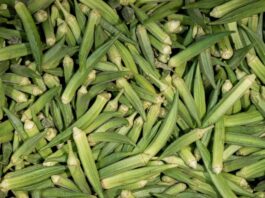
Companion planting is a powerful and sustainable gardening method that pairs mutually beneficial plants together. When growing okra (Abelmoschus esculentus), pairing it with the right companions can increase yield, improve soil health, and reduce pests—without chemicals.

In this article, we’ll dive deep into the best and worst okra companion plants, while also giving you detailed growth requirements for each plant, ensuring you’re fully prepared to build a thriving garden.

🌿 Other Names for Okra

Name Language/Region
Ladies’ Finger Common in British English-speaking countries (India, UK, Africa)
Gumbo Southern United States, especially in Cajun and Creole cuisine
Bhindi Hindi, Urdu, Punjabi (India, Pakistan)
Bamia Arabic-speaking countries
Quiabo Portuguese (Brazil, Portugal)
Gumbo French (also used in Louisiana Creole)
Okro West Africa (e.g., Ghana, Nigeria)
Bamya Turkish and Balkan countries
Kacang Bendi Malay (Malaysia, Indonesia)
Vendakkai Tamil (South India)
Vendakka Malayalam (Kerala, India)
Bhendi Marathi (Maharashtra, India)
Dherosh Bengali (West Bengal, Bangladesh)
Okura Japanese

These alternative names reflect okra’s widespread cultivation and culinary importance across Asia, Africa, the Middle East, and the Americas.


🔍 Okra: Growth Requirements at a Glance

  • Scientific Name: Abelmoschus esculentus

  • Sun Exposure: Full Sun (6–8+ hours daily)

  • Soil pH: 6.0–6.8 (slightly acidic to neutral)

  • Soil Type: Loamy, well-draining, organically rich

  • Water Requirement: Moderate (1 inch/week)

  • Ideal Temperature: 75°F to 95°F (24°C to 35°C)

  • Full Grown Time: 50–65 days from transplanting

Okra is a heat-loving plant that requires consistent sunlight and warm temperatures to thrive. It performs best in well-aerated soil with good drainage and steady moisture.


✅ Best Companion Plants for Okra (With Growth Requirements)

1. Cucumber

Cucumber
Credit: LO | Pexels
  • Scientific Name: Cucumis sativus

  • Sun Exposure: Full Sun

  • Soil pH: 6.0–7.0

  • Soil Type: Well-drained, sandy loam

  • Water Requirement: High

  • Ideal Temperature: 70°F to 90°F (21°C to 32°C)

  • Full Grown Time: 50–70 days

Why It Works: Cucumbers benefit from the same heat and sun exposure. Their sprawling vines act as ground cover, reducing weeds and conserving soil moisture.


2. Sweet or Hot Peppers

Hot Peppers
Image: Pexels
  • Scientific Name: Capsicum annuum

  • Sun Exposure: Full Sun

  • Soil pH: 6.0–6.8

  • Soil Type: Loamy, well-drained

  • Water Requirement: Moderate

  • Ideal Temperature: 70°F to 85°F (21°C to 29°C)

  • Full Grown Time: 60–90 days

Why It Works: Peppers attract pollinators and repel some pests. They enjoy similar environmental needs, making them ideal okra neighbors.


3. Basil

Basil
Image: Pexels
  • Scientific Name: Ocimum basilicum

  • Sun Exposure: Full Sun

  • Soil pH: 6.0–7.0

  • Soil Type: Moist, well-draining

  • Water Requirement: Moderate

  • Ideal Temperature: 70°F to 90°F (21°C to 32°C)

  • Full Grown Time: 60–90 days

Why It Works: Basil repels aphids, thrips, and whiteflies. It also enhances the flavor of okra and attracts beneficial insects.


4. Radish

Radish
Image: Pixabay
  • Scientific Name: Raphanus sativus

  • Sun Exposure: Full Sun to Partial Shade

  • Soil pH: 6.0–7.0

  • Soil Type: Loose, well-drained

  • Water Requirement: Moderate

  • Ideal Temperature: 50°F to 70°F (10°C to 21°C)

  • Full Grown Time: 25–30 days

Why It Works: Radishes grow quickly, aerate the soil, and act as a trap crop for flea beetles.


5. Lettuce

Lettuce
Image: Pixabay
  • Scientific Name: Lactuca sativa

  • Sun Exposure: Full Sun to Partial Shade

  • Soil pH: 6.0–6.8

  • Soil Type: Loose, rich in organic matter

  • Water Requirement: Moderate to High

  • Ideal Temperature: 60°F to 70°F (15°C to 21°C)

  • Full Grown Time: 30–60 days

Why It Works: Lettuce matures quickly and can grow in the partial shade of okra during the early season.


6. Nasturtium (Flower)

Nasturtium
Image: Pixabay
  • Scientific Name: Tropaeolum majus

  • Sun Exposure: Full Sun to Partial Shade

  • Soil pH: 6.1–7.8

  • Soil Type: Light, well-draining

  • Water Requirement: Low to Moderate

  • Ideal Temperature: 55°F to 70°F (13°C to 21°C)

  • Full Grown Time: 35–52 days

Why It Works: A natural pest deterrent that attracts aphids away from okra. Also attracts pollinators and adds beauty.


7. Melons

Melons
Image: Mashed
  • Scientific Name: Cucumis melo

  • Sun Exposure: Full Sun

  • Soil pH: 6.0–6.5

  • Soil Type: Sandy, well-drained

  • Water Requirement: High

  • Ideal Temperature: 70°F to 90°F (21°C to 32°C)

  • Full Grown Time: 70–100 days

Why It Works: Melons provide ground cover, which suppresses weeds and retains soil moisture without disturbing okra roots.


❌ Plants to Avoid Planting with Okra

🚫 Fennel (Foeniculum vulgare)

  • Inhibits the growth of nearby plants by releasing allelopathic chemicals.

🚫 Cabbage Family (Broccoli, Cauliflower, Kale)

  • Competes with okra for nutrients and attracts shared pests like aphids and cabbage worms.

🚫 Potatoes (Solanum tuberosum)

  • May harbor nematodes and soil diseases that harm okra.


🌞 Bonus Tips for Companion Planting with Okra

  • Rotate crops yearly to avoid soil exhaustion.

  • Intercrop with herbs and flowers to support pollinators.

  • Avoid overcrowding; okra grows tall and needs airflow.

  • Mulch around plants to retain moisture and reduce weeds.

Must Read: How to Grow Cilantro (Coriander) at Home


🌟 Fun & Fascinating Okra Trivia

1. 🧬 Okra Is a Member of the Mallow Family

Okra (Abelmoschus esculentus) belongs to the Malvaceae family, which also includes hibiscus and cotton! That’s why okra flowers are so ornamental—they closely resemble hibiscus blooms.


2. 🌍 Okra Has African Origins

Although widely cultivated in India and the United States, okra is believed to have originated in Ethiopia and was later spread to the Middle East, India, and the Americas through trade and migration.


3. 🧪 It Produces Natural Mucilage

What “slimy” texture is okra known for? It’s due to mucilage, a gel-like substance that’s rich in soluble fiber—great for digestion and used to thicken soups like gumbo.


4. 🚀 Okra Was Studied for Space Farming

NASA has studied okra as a potential food crop for astronauts due to its high nutritional value, quick growth cycle, and adaptability in controlled environments.


5. 🍃 All Parts of the Plant Are Useful

  • Pods: Eaten fresh, cooked, or pickled.

  • Leaves: Can be used like spinach.

  • Seeds: Dried and ground as a coffee substitute or pressed for okra seed oil, which is high in unsaturated fats.

  • Stems: Fiber from okra stems can be used to make ropes and paper.

Recommended: How to Grow Snake Plant from Leaf


6. 💪 A Nutritional Powerhouse

Okra is:

  • Rich in Vitamin C, K, and A

  • A good source of folate, fiber, and magnesium

  • Low in calories but high in antioxidants like quercetin and flavonoids


7. 🌿 Used in Traditional Medicine

In Ayurveda, Traditional Chinese Medicine, and African herbal practices, okra is used to treat:

  • Sore throats

  • Ulcers

  • Inflammation

  • High blood sugar


8. 🐝 Okra Flowers Attract Pollinators

Okra Flowers Attract Pollinator
Image: Sora

Okra’s large, creamy-yellow flowers are not just pretty—they also attract bees and butterflies, improving pollination for other garden crops.


✅ Pro Tip:

Plant okra with basil or nasturtiums to boost pollination and deter pests like aphids—a natural win-win!

Final Thoughts

Companion planting with Abelmoschus esculentus isn’t just folklore—it’s science-backed gardening. When you match okra with compatible species like basil, cucumbers, radishes, and melons, your garden becomes more productive, resilient, and sustainable.

Whether you’re a beginner or a seasoned gardener, applying these companion planting strategies will help you get healthier okra plants and higher yields—naturally.

Does Salt and Water Make Your Hair Curly?

Does Salt and Water Make Your Hair Curly?

Have you ever taken a dip in the ocean and noticed your hair becoming wavy or curlier afterward? You’re not alone. Many people wonder: does salt and water make your hair curly? Let’s dive deep into the science behind this natural hair phenomenon and whether saltwater can truly give you beachy waves.


🧂 What Happens to Hair in Salt and Water?

When your hair is exposed to salt and water, especially seawater, several things happen:

  • Salt absorbs moisture from your hair, making it drier.

  • The loss of hydration makes hair more textured and sometimes frizzy.

  • This rough texture enhances your natural hair pattern (especially if you already have waves or curls).

  • The added volume and dryness hold the shape of waves or curls longer.

So technically, salt and water do not create curls from nothing — they enhance your existing curl pattern or create temporary waves due to texture and volume.


🌀 Will Salt Water Make Straight Hair Curly?

Not exactly. If you have pin-straight hair, salt water might add some wave or tousled texture, but it won’t give you defined curls. However, if your hair has a slight natural bend, saltwater can bring that out more prominently.


🔬 How Salt Works on Hair Structure

Salt water:

  • Raises the hair cuticle slightly

  • Strips natural oils, reducing moisture

  • Causes temporary bonds in the keratin structure to hold a wave shape

  • Increases hair’s grit and volume, making styling easier

These changes help hold waves better, especially when you scrunch or air dry after exposure.

Must Read: Does the Sun Lighten Your Hair?


🧴 Salt Sprays vs. Natural Saltwater

Salt sprays are a trendy way to mimic the effects of ocean water. These hair products usually contain:

  • Sea salt

  • Water

  • Conditioners or oils (to reduce damage)

They work similarly by enhancing curls and waves while giving that effortless “beach hair” look.

✔️ Pro tip: Use sea salt sprays on damp hair and scrunch for best results.


❌ The Downsides of Using Salt on Hair

While salt water or salt sprays can give you that tousled look, there are some risks:

Effect Result
Dehydration Hair becomes dry, brittle
Color fading Especially in dyed or bleached hair
Split ends Increased with frequent salt exposure
Scalp irritation If used too often or left unwashed

If you use salt products, balance with deep conditioners and hydrating hair masks.


🧬 Does Salt Water Permanently Curl Hair?

No. Salt water creates a temporary effect. Once you wash and moisturize your hair, the texture usually returns to normal. Permanent curls require chemical treatments like perms or heat styling tools.


✅ How to Safely Use Salt Water or Salt Sprays for Curly Hair

If you want to use salt for curling, here’s how to do it right:

  1. Start with damp hair

  2. Spray or apply a DIY saltwater mixture (1 tsp salt + 1 cup warm water + 1 tsp leave-in conditioner)

  3. Scrunch hair upward or braid while drying

  4. Let it air dry or use a diffuser

  5. Apply a serum or oil afterward to lock in moisture


🏖️ Who Benefits Most from Salt and Water for Curls?

Hair Type Likely Result
Wavy Enhanced beach waves
Curly More definition & volume
Straight Mild texture or waves at best

So, if you’ve got natural wave or curl, salt water can accentuate it. If your hair is very straight, you might only see a tousled texture.


📌 Conclusion: Does Salt and Water Make Your Hair Curly?

Yes — salt and water can enhance curls or waves, especially if your hair already has some natural texture. However, it won’t create curls where none exist. Salt gives your hair more volume, texture, and grip, making holding a wave or curl easier.

Use it wisely, and pair with moisture-rich products to keep your hair healthy while rocking those beachy vibes.

Similar One: Can Hair Really Grow in a Week?


❓ Frequently Asked Questions

Q1: Can I make a DIY salt spray at home?

Yes! Mix 1 teaspoon sea salt, 1 cup warm water, and a few drops of coconut oil or conditioner for a budget-friendly curl enhancer.

Q2: Is salt water good for curly hair?

In moderation, yes. It enhances curl definition but can dry hair out if overused.

Q3: Will swimming in the sea make my hair curly?

It can temporarily enhance waves or curls due to salt exposure and drying effects.

Q4: How do I prevent hair damage from salt water?

Use a leave-in conditioner before exposure and rinse with fresh water after swimming.

Does the Sun Lighten Your Hair? The Natural Effects of Sunlight on Hair Color

Does the Sun Lighten Your Hair

🌞 Introduction: Sun-Kissed Hair—Myth or Fact?

Have you ever noticed your hair looking lighter after spending time outdoors? It’s not your imagination—sunlight can naturally lighten your hair. But how does this happen, and is it good or bad for your hair? In this guide, we’ll explore the science, effects, and safe tips for enjoying natural sunlight.


🔬 The Science: How the Sun Lightens Hair

The lightening effect is caused by ultraviolet (UV) rays in sunlight. UV rays break down melanin, the pigment responsible for your hair color.

Unlike skin, which can regenerate melanin after sun exposure, hair is made of dead protein cells and cannot restore pigment. As a result, the UV exposure leads to permanent fading or lightening until that hair strand is trimmed off.

UV rays breaking melanin in hair


💡 What Types of Hair Lighten the Most?

Not all hair reacts the same way to sunlight.

Hair Color Likelihood of Lightening Notes
Blonde Very High Turns golden or platinum
Light Brown High Fades to caramel or honey tones
Red Moderate May gain copper or strawberry highlights
Black Low May show subtle reddish or brown undertones

Natural sun-lightened hair comparison


🧴 Does the Sun Damage Hair While Lightening It?

Yes. While the sun may give you that sought-after “sun-kissed” look, it also weakens the hair shaft. UV radiation can lead to:

  • Dryness and brittleness

  • Split ends

  • Fading of dyed hair

  • Loss of protein structure (especially in chemically treated hair)

Pro Tip: Always use UV protection sprays or wear a hat during long sun exposure.


🌿 Natural Ways to Enhance Sun Lightening

Want to boost the lightening effect safely? Try combining sunlight with natural ingredients:

1. Lemon Juice + Sunlight

  • Squeeze lemon juice onto damp hair.

  • Sit in the sun for 20–30 minutes.

  • The acid in lemon boosts the breakdown of melanin.

2. Chamomile Tea Rinse

  • Brew strong chamomile tea.

  • Pour it over clean hair and air dry in the sun.

  • Known for enhancing golden tones in light hair.

3. Cinnamon & Honey Mask

  • Mix cinnamon powder with honey and conditioner.

  • Apply and sit in mild sunlight. Gives a warm, reddish tint.

Natural hair-lightening ingredients


🛡️ How to Protect Your Hair From Sun Damage

If you’re looking for natural lightening but want to prevent damage, follow these tips:

  • Use leave-in conditioners with SPF

  • Cover your head with a scarf or sun hat

  • Apply argan oil or coconut oil for UV protection

  • Deep condition once a week

  • Avoid additional heat styling after sun exposure

Protecting hair from UV rays


❓ FAQs

Does everyone’s hair lighten in the sun?
Mostly yes, but the extent depends on hair type, color, and time spent under UV rays.

How long does it take for the sun to lighten hair?
It varies—visible change may take a few hours to several days of consistent sun exposure.

Is sun-lightening permanent?
Yes, the lightened hair stays that way until it’s cut or grows out.

Can dyed hair lighten in the sun?
Yes, dyed hair fades even faster under the sun. Red and pastel colors are especially vulnerable.


🧑‍🔬 Final Thoughts: Is It Worth It?

The sun can lighten your hair naturally, giving you that beachy, summer glow—especially if you’re a blonde or have lighter hair shades. But remember, too much sun can damage your hair’s structure. If you’re after sun-kissed strands, balance your exposure and always use protective products.

Similar Post: