Home Blog Page 5

Does the Sun Lighten Your Hair? The Natural Effects of Sunlight on Hair Color

Does the Sun Lighten Your Hair? The Natural Effects of Sunlight on Hair Color

🌞 Introduction: Sun-Kissed Hair—Myth or Fact?

Have you ever noticed your hair looking lighter after spending time outdoors? It’s not your imagination—sunlight can naturally lighten your hair. But how does this happen, and is it good or bad for your hair? In this guide, we’ll explore the science, effects, and safe tips for enjoying natural sunlight.


🔬 The Science: How the Sun Lightens Hair

The lightening effect is caused by ultraviolet (UV) rays in sunlight. UV rays break down melanin, the pigment responsible for your hair color.

Unlike skin, which can regenerate melanin after sun exposure, hair is made of dead protein cells and cannot restore pigment. As a result, the UV exposure leads to permanent fading or lightening until that hair strand is trimmed off.

UV rays breaking melanin in hair


💡 What Types of Hair Lighten the Most?

Not all hair reacts the same way to sunlight.

Hair Color Likelihood of Lightening Notes
Blonde Very High Turns golden or platinum
Light Brown High Fades to caramel or honey tones
Red Moderate May gain copper or strawberry highlights
Black Low May show subtle reddish or brown undertones

Natural sun-lightened hair comparison


🧴 Does the Sun Damage Hair While Lightening It?

Yes. While the sun may give you that sought-after “sun-kissed” look, it also weakens the hair shaft. UV radiation can lead to:

  • Dryness and brittleness

  • Split ends

  • Fading of dyed hair

  • Loss of protein structure (especially in chemically treated hair)

Pro Tip: Always use UV protection sprays or wear a hat during long sun exposure.


🌿 Natural Ways to Enhance Sun Lightening

Want to boost the lightening effect safely? Try combining sunlight with natural ingredients:

1. Lemon Juice + Sunlight

  • Squeeze lemon juice onto damp hair.

  • Sit in the sun for 20–30 minutes.

  • The acid in lemon boosts the breakdown of melanin.

2. Chamomile Tea Rinse

  • Brew strong chamomile tea.

  • Pour it over clean hair and air dry in the sun.

  • Known for enhancing golden tones in light hair.

3. Cinnamon & Honey Mask

  • Mix cinnamon powder with honey and conditioner.

  • Apply and sit in mild sunlight. Gives a warm, reddish tint.

Natural hair-lightening ingredients


🛡️ How to Protect Your Hair From Sun Damage

If you’re looking for natural lightening but want to prevent damage, follow these tips:

  • Use leave-in conditioners with SPF

  • Cover your head with a scarf or sun hat

  • Apply argan oil or coconut oil for UV protection

  • Deep condition once a week

  • Avoid additional heat styling after sun exposure

Protecting hair from UV rays


❓ FAQs

Does everyone’s hair lighten in the sun?
Mostly yes, but the extent depends on hair type, color, and time spent under UV rays.

How long does it take for the sun to lighten hair?
It varies—visible change may take a few hours to several days of consistent sun exposure.

Is sun-lightening permanent?
Yes, the lightened hair stays that way until it’s cut or grows out.

Can dyed hair lighten in the sun?
Yes, dyed hair fades even faster under the sun. Red and pastel colors are especially vulnerable.


🧑‍🔬 Final Thoughts: Is It Worth It?

The sun can lighten your hair naturally, giving you that beachy, summer glow—especially if you’re a blonde or have lighter hair shades. But remember, too much sun can damage your hair’s structure. If you’re after sun-kissed strands, balance your exposure and always use protective products.

Similar Post:

How Long Does It Take for Rosemary Water to Grow Hair?

How Long Does It Take for Rosemary Water to Grow Hair?

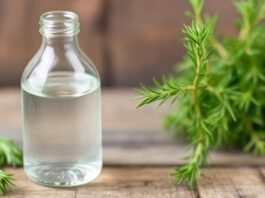
When it comes to natural hair care, rosemary water has gained a lot of attention. Known for its herbal properties, it has been used for centuries in various forms to promote scalp health and reduce hair thinning. Recently, it’s become popular in the form of rosemary water — a simple infusion that many believe encourages stronger, fuller hair.

So, how long does it take for rosemary water to work? Let’s break it down.


Why Use Rosemary Water for Hair?

Rosemary contains compounds like rosmarinic acid and carnosic acid that are thought to boost blood circulation and support follicle activity. This increased circulation may help nourish hair roots and encourage healthy growth over time.

rosemary

A study published in the Journal of Dermatology found rosemary oil to be as effective as minoxidil, a widely used hair regrowth treatment, in helping individuals with androgenetic alopecia (commonly known as pattern baldness). While the water is less concentrated than oil, it still offers many of the same properties in a gentler form.


How Long Before You See Results?

The timeline for results from rosemary water will vary depending on your scalp condition, hair type, and consistency of use. However, here’s a general idea:

Week 1–2:

You might begin to feel a healthier scalp, with less dryness, irritation, or dandruff. While visible changes won’t occur just yet, your scalp environment is improving.

Week 3–4:

Some people notice tiny new hairs around the hairline or thinner patches. This is usually due to improved blood circulation and cleaner follicles.

Week 5–6:

With regular use, your hair may start appearing denser, and some may see regrowth in thinning areas.

That said, results won’t be instant. Like all natural remedies, rosemary water requires consistency. Most users report better outcomes when they use it at least two to three times a week and massage it into the scalp regularly.

For more insight into general hair timelines, check out:
👉 How Long Does Hair Grow in 1 Week?


How to Use Rosemary Water on Your Hair

Step 1: Make the Water

Here’s a simple way to prepare it at home:

  • Bring 2–3 cups of water to a boil

  • Add a few sprigs of fresh rosemary or 1–2 tablespoons of dried rosemary

  • Let it steep for 10–15 minutes

  • Strain and let it cool before use

Step 2: Apply to the Scalp

  • Pour the cooled water into a spray bottle

  • Apply directly onto your scalp

  • Massage gently for 5–10 minutes

  • Let it sit for at least 30 minutes or leave it overnight before rinsing

Frequency:

Use it 2 to 3 times a week for best results.


Tips to Maximize Effectiveness

While rosemary water can be effective on its own, combining it with other habits can improve outcomes:

  • Pair it with oils like peppermint or castor oil for additional stimulation

Rosemary Essential Oils

  • Avoid heat styling tools that can damage hair and slow progress

Avoid Heat Styling

  • Eat a balanced diet rich in protein, biotin, vitamin E, and omega-3s

  • Massage your scalp regularly to stimulate follicles naturally

For more home remedies, check out:
👉 Ways to Grow Hair Faster at Home


Will It Work for Everyone?

Not necessarily. Some users may not see drastic changes, especially if they’re dealing with:

  • Underlying hormonal issues

  • Severe scalp conditions like eczema or psoriasis

  • Chronic hair loss from medical treatments or genetics

It’s a good idea to perform a patch test before using rosemary water widely, especially if you have sensitive skin or allergies.

FAQs

1. Does rosemary water help hair grow?
Yes, it can support hair growth by improving blood circulation in the scalp and stimulating hair follicles. While results vary, many users report thicker hair and new growth after consistent use over several weeks.

2. How often should I use rosemary water for best results?
It’s recommended to use it 2 to 3 times a week. Regular application and scalp massage help maximize its effectiveness.

3. Can I leave rosemary water in my hair overnight?
Yes, you can safely leave it in your hair overnight. Just make sure it’s not irritating your scalp and rinse it out the next morning if needed.

4. Are there any side effects of using rosemary water on hair?
Most people tolerate it well, but some may experience irritation or allergic reactions. Always do a patch test before applying it across your entire scalp.

5. How long does it take to see results from rosemary water?
Most people notice visible improvements within 4 to 6 weeks of consistent use, such as thicker hair or new growth near thinning areas.

6. Can I mix rosemary water with other oils?
Yes, you can mix it with peppermint oil, castor oil, or tea tree oil to enhance its hair-stimulating properties. However, make sure to dilute essential oils properly to avoid irritation.

7. Is rosemary water suitable for all hair types?
Generally, yes. It works on straight, wavy, curly, and coily hair. It’s especially helpful for those with oily or itchy scalps.

8. Do I need to wash my hair after applying rosemary water?
No, it’s not necessary unless your scalp feels greasy or uncomfortable.


Final Thoughts

Rosemary water offers a natural and affordable approach to supporting hair growth. With its roots in herbal tradition and modern anecdotal support, it’s an easy addition to any hair routine. Just remember — it requires time, consistency, and a healthy scalp environment to work effectively.

If used two to three times a week, most people see improvements in 4 to 6 weeks, especially when combined with other good hair care habits.

By incorporating rosemary water into your routine, you’re not just following a trend — you’re nurturing your scalp with time-tested ingredients known for promoting healthy, vibrant hair.

How Long Does Hair Grow in a Year? | Tips for Faster Hair Growth

How Long Does Hair Grow in a Year? | Tips for Faster Hair Growth

If you’ve ever dreamed of growing long, luscious hair, you might wonder: How long does hair grow in a year? On average, hair grows about 6 inches (15 centimeters) per year. But that’s just the average — depending on your genetics, health, lifestyle, and hair care habits, it could be faster or slower.

In this guide, we’ll break down everything you need to know: what affects hair growth, what you can do to boost it naturally, the best oils and treatments, and important do’s and don’ts for rapid growth.


What Determines How Fast Hair Grows?

Hair growth happens in four phases: anagen (growth), catagen (transition), telogen (rest), and exogen (shedding). The anagen phase is where real length happens, and it can last anywhere from 2 to 7 years, depending on genetics.

Several factors influence how fast and how much your hair grows:

  • Genetics: Some people are genetically programmed to grow hair faster.

  • Age: Hair growth tends to slow with age, and strands can become thinner.

  • Hormonal changes: Pregnancy, menopause, and thyroid issues can either speed up or slow down hair growth.

  • Health conditions: Anemia, vitamin deficiencies, and autoimmune diseases can negatively affect hair.

  • Environment: Hard water, pollution, and sun damage can weaken hair and slow its growth.


What Helps Hair Grow Faster?

Although you can’t change your genetics, you can enhance your hair growth potential with the right strategies.

1. Medicines and Supplements

  • Biotin: One of the most popular vitamins for hair growth. Supports keratin production, a key protein in hair.

  • Collagen supplements: Help strengthen hair roots and improve hair thickness.

  • Minoxidil: An FDA-approved topical solution proven to stimulate hair growth.

  • Multivitamins: Ensure your body gets enough iron, vitamin D, zinc, and B-complex vitamins.

  • Important: Always consult your doctor before starting new supplements.

2. Oils and Scalp Massage

Natural oils can nourish the scalp and promote blood flow:

  • Coconut oil: Penetrates the hair shaft to reduce protein loss.

  • Castor oil: Rich in ricinoleic acid, which boosts blood circulation.

  • Rosemary oil: Studies show it can be as effective as minoxidil for stimulating growth.

  • How to massage: Warm a small amount of oil and gently massage it into your scalp with your fingertips for 5–10 minutes, 2–3 times a week.

3. Healthy Environment

  • Protect from sun exposure: UV rays can weaken hair proteins, so use hair SPF sprays or wear a hat.

  • Shield from pollution: Use anti-pollution hair serums or wash hair after exposure to heavy pollution.

  • Avoid harsh water: Use a water filter if you live in an area with hard water.

4. Nutrition for Stronger Hair

A healthy, balanced diet is crucial:

  • Protein: Essential for hair structure. Include lean meats, eggs, fish, legumes, and dairy.

  • Iron: Found in spinach, red meat, and lentils, helps carry oxygen to hair follicles.

  • Omega-3 fatty acids: Found in salmon, flaxseeds, and walnuts, keeps your scalp hydrated.

  • Vitamins A, C, D, E: Help hair stay moisturized, grow faster, and stay strong.

  • Water: Staying hydrated improves hair elasticity and strength.


Do’s and Don’ts for Faster Hair Growth

Do:

  • Trim hair every 8–12 weeks to remove split ends and prevent breakage.

  • Use a wide-tooth comb or finger-detangle, especially when hair is wet.

  • Sleep on a silk pillowcase to minimize friction and breakage.

  • Use deep conditioning masks weekly for moisture and strength.

  • Be gentle with towel drying — instead, pat your hair dry with a microfiber towel.

🚫 Don’t:

  • Overwash your hair — 2–3 times a week is sufficient for most.

  • Use excessive heat styling without protection.

  • Frequently bleach or chemically treat your hair.

  • Tie your hair too tightly; constant tension can cause hair loss.

  • Ignore scalp care — a healthy scalp equals healthy hair.


Final Thoughts: Grow Hair Smarter, Not Harder

While the average hair growth rate is about half an inch per month (or 6 inches per year), there’s so much you can do to maximize your natural growth potential. By caring for your scalp, nourishing your body, using the right oils, and avoiding damaging habits, you can encourage stronger, longer, healthier hair.

Patience is key: Hair growth isn’t instant, but with consistent effort, results will come. 🌿✨

These Article may help:-

How to Grow Lavender from Seeds at Home (Complete Guide for Beginners)

How to Grow Lavender from Seeds at Home (Complete Guide for Beginners)

Lavender is one of the most beloved herbs in the world, known for its calming fragrance, vibrant purple flowers, and medicinal properties. Whether you’re an experienced gardener or a beginner, growing lavender from seeds at home is a rewarding project. Not only will it beautify your space, but it will also fill your home with a refreshing aroma.

In this guide, you’ll learn everything you need to know about how to grow lavender from seeds, right from germination to harvesting.


Why Grow Lavender from Seeds?

Growing lavender from seeds takes patience, but it has several benefits:

  • Cost-effective: Seeds are much cheaper than nursery plants.

  • Satisfying process: Watching your lavender grow from seed to bloom is a fulfilling experience.

  • More variety: Seeds give access to a wider range of lavender species.


Best Lavender Varieties for Home Gardening

Some popular lavender species you can grow from seeds include:

Lavender Variety Ideal For
English Lavender Cooler climates, culinary use
French Lavender Warmer climates, ornamental
Lavandin High oil yield, fragrance
Spanish Lavender Decorative indoor gardening

Step-by-Step Guide: How to Grow Lavender from Seeds at Home

1. Choose Quality Lavender Seeds

lavender seeds

Buy certified, high-quality lavender seeds from a reliable gardening store or online platform. Look for varieties suited to your local climate.

2. Cold Stratify the Seeds

Lavender seeds need a period of cold to stimulate germination. Here’s how to do it:

  • Place seeds in a plastic bag with slightly moist sand or a paper towel.

  • Store in the refrigerator for 3–4 weeks.

  • Label the bag with the date to track progress.

Pro Tip: Cold stratification increases your germination success rate significantly.

3. Prepare the Seed Tray or Pots

Lavender Seed Tray

  • Use seed-starting trays or small pots with good drainage.

  • Fill them with a well-draining, alkaline soil mix (a mix of peat, sand, and perlite works well).

  • Moisten the soil slightly before planting.

4. Sow the Lavender Seeds

  • Scatter the seeds on top of the soil.

  • Press them lightly — do not cover them completely, as lavender needs light to germinate.

  • Mist with water and cover the tray with a plastic dome or wrap to retain humidity.

5. Germinate Under Light

  • Place the tray in a warm, sunny spot or under grow lights.

  • Maintain a temperature of 65°F–75°F (18°C–24°C).

  • Seeds usually take 14 to 30 days to sprout.

6. Transplanting Seedlings

Transplanting lavender to pot or grow bag

Once your seedlings have at least 2–3 sets of true leaves:

  • Harden them off by exposing them to outdoor conditions gradually over a week.

  • Transplant into larger pots or directly into the garden.

  • Space plants about 12 to 18 inches apart.

At this stage, you can choose to transplant your lavender into a grow bag, terracotta pot, or ceramic pot, depending on your gardening style and available space. Not sure which one to pick? Here’s a helpful comparison to guide you:
👉 Grow Bags vs Terracotta vs Ceramic Pots – Which Is Best for Your Garden?

This detailed guide will help you decide which container ensures the best growth and airflow for your lavender plants.


Best Conditions for Growing Lavender at Home

🌞 Light

Lavender thrives in full sun. Ensure it gets at least 6–8 hours of sunlight daily.

🌱 Soil

Use sandy, loamy, and well-draining soil with a pH of 6.5 to 7.5.

💧 Watering

Water only when the soil feels dry 1–2 inches below the surface. Overwatering can cause root rot.

🍃 Fertilizer

Lavender doesn’t need much fertilizer. Use a slow-release, balanced fertilizer once in spring if desired.


Indoor Lavender Growing Tips

  • Place pots near south-facing windows.

  • Use grow lights if natural light is limited.

  • Ensure good airflow to prevent fungal growth.

  • Avoid misting — lavender prefers dry conditions.


When and How to Harvest Lavender

  • Harvest when half the flower buds have opened.

  • Cut stems early in the morning after the dew dries.

  • Hang bunches upside down in a cool, dark room to dry.

Use dried lavender for potpourri, teas, skincare, or aromatherapy!


Common Problems and Solutions

Problem Cause Solution
Seed not germinating No cold stratification Chill seeds before sowing
Yellow leaves Overwatering Reduce watering frequency
Mold on soil Poor ventilation/humidity Increase airflow, use a fan if needed
Stunted growth Lack of sunlight or nutrients Move to a sunnier spot or feed lightly

Final Thoughts

Learning how to grow lavender from seeds at home is a journey that teaches you patience, care, and a deep connection with nature. With the right setup and love, you’ll soon have fragrant, blooming lavender in your home or garden. It’s a beautiful way to add charm and calm to your space, naturally.


FAQs on Growing Lavender from Seeds

Q1. How long does lavender take to grow from seed?

A: It takes about 2–3 weeks for seeds to germinate, and 3–4 months to mature into transplant-ready seedlings.

Q2. Can I grow lavender indoors year-round?

A: Yes, as long as it receives 6–8 hours of sunlight or artificial grow light and proper drainage.

Q3. Why are my lavender seedlings dying?

A: Common reasons include overwatering, poor light, or fungal infections due to high humidity.

Q4. When is the best time to plant lavender seeds?

A: Start seeds indoors in late winter or early spring for best results.

Q5. Do I need to prune lavender?

A: Yes, light pruning after flowering helps maintain shape and encourages new growth.

Related Content:

10 Proven Ways to Grow Hair Faster at Home

10 Proven Ways to Grow Hair Faster at Home

If you’re looking to speed up hair growth and achieve longer, healthier hair, you’re not alone! Hair growth is a common concern for many, but with the right care and techniques, you can stimulate faster hair growth without spending a fortune on salon treatments. In this article, we’ll walk you through 10 proven ways to grow hair faster at home that are natural, effective, and easy to implement.


1. Massage Your Scalp Regularly

One of the simplest and most effective ways to encourage hair growth is by massaging your scalp. Scalp massages stimulate blood circulation, which can help nourish hair follicles and promote faster hair growth.

  • How to do it:
    Massage your scalp with your fingertips for 5–10 minutes daily. Use oils like coconut or castor oil for added benefits.


2. Use Natural Oils for Hair Growth

Several oils can help nourish the scalp, strengthen hair roots, and accelerate hair growth.

  • Top oils for hair growth:

    • Coconut oil: Hydrates the scalp and promotes healthy hair growth.

    • Castor oil: Rich in essential fatty acids, it nourishes and strengthens hair.

    • Rosemary oil: Improves circulation to the scalp and can stimulate hair follicles.

  • How to use it:
    Massage a few drops of your chosen oil onto your scalp before bed and leave it overnight for best results.


3. Maintain a Healthy Diet

Nutrition plays a crucial role in hair growth. Eating a diet rich in vitamins and minerals can improve the health of your hair and scalp.

  • Key nutrients for hair growth:

    • Vitamin A: Supports the production of sebum, which keeps your scalp moisturized.

    • Vitamin C: Stimulates collagen production, which strengthens hair.

    • Biotin: Helps to improve hair thickness and strength.

    • Iron: Prevents hair loss caused by anemia.

  • Foods to include:
    Incorporate foods like eggs, spinach, almonds, carrots, and sweet potatoes into your daily meals.


4. Avoid Heat Styling Tools

Excessive use of heat styling tools like flat irons, curling irons, and blow dryers can damage hair and hinder growth. Frequent exposure to heat weakens hair follicles, making it more prone to breakage.

  • Tip:
    Limit the use of heat tools and try to air-dry your hair as often as possible. If you must use heat, always apply a heat protectant beforehand.


5. Trim Your Hair Regularly

Although trimming doesn’t directly speed up hair growth, it’s essential for healthy growth. Regular trims remove split ends and prevent breakage, allowing your hair to grow more evenly and appear thicker.

  • How often to trim:
    Get a trim every 6–8 weeks to keep your hair healthy and growing at a consistent rate.


6. Use Aloe Vera for Hair Growth

Aloe vera has long been used for hair care due to its soothing and healing properties. It nourishes the scalp, reduces dandruff, and promotes healthier hair growth.

  • How to use it:
    Apply fresh aloe vera gel to your scalp, leave it on for 30 minutes, and rinse it with lukewarm water.


7. Protect Your Hair from Sun Damage

UV rays can damage your hair, making it dry, brittle, and more prone to breakage. Protecting your hair from excessive sun exposure can help maintain its health and promote faster growth.

  • How to protect it:
    Wear a hat or use a UV-protectant hair spray to shield your hair from the sun.


8. Stay Hydrated

Drinking plenty of water is essential for overall health, and it’s no different for hair. Hydration ensures that your hair follicles are well-nourished, leading to faster and stronger hair growth.

  • How much water to drink:
    Aim to drink at least 8 glasses (2 liters) of water per day.


9. Avoid Tight Hairstyles

Tight ponytails, braids, or buns can cause tension on your hair, leading to breakage or even hair loss. To prevent damage, wear loose hairstyles that don’t pull at your hair.

  • Tip:
    Opt for loose braids or buns, and avoid wearing tight hairstyles for extended periods.


10. Take Hair Growth Supplements

If you’re not getting enough nutrients from your diet, supplements can be an excellent way to support healthy hair growth. Many hair vitamins are formulated with biotin, vitamins C and E, and other minerals that promote stronger hair.

  • Popular supplements:

    • Biotin

    • Collagen

    • Omega-3 fatty acids


Conclusion

Growing hair faster at home doesn’t require expensive treatments or harsh chemicals. By following these 10 proven ways to grow hair faster, you can achieve longer, healthier hair naturally. Start implementing these tips today, and you’ll notice improvements in your hair growth journey.


Frequently Asked Questions (FAQs)

Q1. How long does it take to grow hair faster?
It typically takes 3-6 months to see noticeable hair growth, depending on individual factors like genetics, diet, and hair care routine.

Q2. Can I speed up my hair growth naturally?
Yes! By using natural oils, maintaining a healthy diet, and avoiding damage from heat tools, you can naturally stimulate faster hair growth.

Q3. How often should I trim my hair for faster growth?
Trimming every 6-8 weeks helps prevent split ends and breakage, promoting healthier and more consistent hair growth.

Q4. Can Aloe Vera help with hair growth?
Yes! Aloe vera soothes the scalp, reduces dandruff, and nourishes hair follicles, all of which can contribute to faster hair growth.

You may like: