Home Blog Page 78

5 Common Complications with Dysphagia

Dysphagia

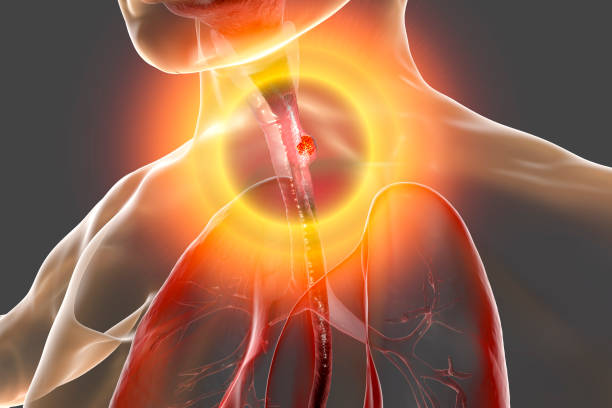
Dysphagia is the medical term for trouble swallowing food or liquid. The condition is more common in the elderly; however, anybody at any age may develop it as a symptom of a wide range of neurological or physical conditions. Some common causes of dysphagia include dementia, throat cancer, or certain medical treatments such as radiation therapy. When a person with this condition is unable to swallow food and liquid properly, they are at a higher risk of complications and other problems, including:

Dehydration

Dehydration can be an issue for people with dysphagia who find it difficult to swallow water and other liquids. When swallowing makes it difficult to get the fluid that we need in our body, symptoms like persistent headaches; tiredness and fatigue; dry skin, hair and nails; and brain fog may occur. In more severe cases, dehydration can cause more serious issues like kidney and urinary tract infections, which is why it is important for people with dysphagia to get the fluid that they need. Adding a product like SimplyThick thickener gel to liquids is an ideal option to prevent dehydration. 

Malnutrition

When somebody is struggling to swallow their food, they might be unable to get all the nutrients that they need from their diet, which can lead to nutritional deficiencies and cause other health problems. Because of this it is important for people with dysphagia to have a diet plan that allows them to get a diet that is as balanced and nutritious as possible while taking swallowing difficulties into account. For example, this could include adding nutrient powders to smoothies and soups, blending and pureeing fruits and vegetables, and drinking thick protein shakes that are easier to swallow. 

Aspiration Pneumonia

Aspiration is a common symptom of dysphagia. This happens when food or liquid ‘goes down the wrong way’ and is inhaled rather than swallowed. When somebody with dysphagia is aspirating particles of food a lot due to swallowing difficulties, this can lead to an infection in the lungs known as aspiration pneumonia. 

Fatigue

Tiredness and fatigue are not uncommon in people with dysphagia, since they may not be getting the energy that they need from their food. Tiredness and fatigue can also be common symptoms of other problems that are associated with dysphagia such as dehydration or a nutritional deficiency. 

Depression and Low Mood

Somebody with dysphagia may suffer with feelings of depression and low mood for various reasons. Dysphagia can sometimes be a condition that leads to isolation as the person may not feel like they are able to do the things that they normally enjoy such as socializing with friends over food and drinks or entertaining friends and family at home. Symptoms such as regurgitating food or excessive drooling can also be quite embarrassing for the patient which may lead to them spending an increased amount of time at home. Ultimately this can contribute to stronger feelings of depression, low mood, and anxiety. 

Dysphagia can occur for many reasons. Any persistent trouble with swallowing should be treated quickly to avoid further health complications.

Effective Ways to Manage Your Nutritional Needs as You Pass 65

Nutritional Needs

As we get older, things gradually change. The world around us changes, but so does our body, our mind, and our emotional state. We don’t stay the same. Our bodies get older, they work differently, they need different things, and staying healthy can become harder. For many, these changes start to become clear as they pass 65 or retire from work. 

One change that you might notice as you get older is your appetite. Many older people find that their appetites diminish. They can’t eat big meals anymore, they don’t fancy the same things, and they can sometimes struggle to maintain a healthy weight. Many seniors, especially those who live alone struggle with malnutrition, which can make other health conditions more likely. Here’s a look at some effective ways to manage your changing nutritional needs. 

Understand Your Changing Needs

Older adults have different nutritional and calorific needs. Once you pass retirement, you might not need as many calories if your lifestyle is becoming more sedentary. But as your body ages, your nutritional needs grow, and your body needs more help to function well. Post 65 you might need more protein to slow the deterioration of muscle tone, and more vitamin B12 as your body loses some of its ability to absorb it as you age. You might also need a diet high in fiber, calcium, and vitamin D. Your specific needs will depend on your health and fitness, any medications that you take, and any healthcare needs that you have. Speak to your doctor for tailored advice. 

Eat Socially

When we’re young, we rarely eat alone. You’ll have sat down for meals with family at home, dined out with friends, and grabbed lunch on the go with colleagues. As we get older, we can lose touch with people and start to spend more and more time alone. This can affect our relationship with, and craving for, food. Making plans to eat with friends or family can help you to maintain a healthy relationship with food. Many people find that they eat better if they move into a retirement home. Look at this Encino retirement home from Belmont Village Senior Living to learn more about their catering facilities, chef-prepared meals, and opportunities to eat socially. 

Experiment with New Flavors and Recipes 

Our tastes change as we age, and you might find that you no longer love the same foods. Don’t let this put you off; instead, see it as a chance to try new things. 

Exercise

One of the reasons our appetite drops as we get older is that we move less, and our bodies require less fuel. Try to exercise and get outside into the fresh air and you might find that your body starts to crave sustenance. 

Eat Little and Often

If you struggle with big meals, don’t try to force yourself. Instead, try to eat smaller meals and snacks more regularly throughout the day. These will be easier to eat, less boring, and easier on your digestive system. 

If you are worried about nutrition, make sure you speak to your doctor to get specific advice and recommendations.

Fitting and Building a New Hobby into Your Lifestyle

hobby

When you are busy with work, life and family commitments, you may find it difficult to fit a new hobby into your lifestyle. However, making time for yourself, and making time to pursue hobbies that interest and excite you, is important. Making time for your new hobby will ensure that you get the most out of it, and it will ensure that you can immerse yourself as much as you want to. 

Finding the Time for a New Hobby

Time management can be difficult enough, but when you add a new hobby to the mix, you can find that time can become your enemy if you are not careful. Creating a more rigid or structured routine for your days, and even looking at delegation within your life will give you the opportunity to take control of your time. When you have control of your time, you can then build a new hobby into your life, and into your lifestyle. When you start off with a new hobby, it can be tempting to spend every waking hour on evolving it, and finding out as much as you can – however, this can also be your downfall. It is more important to dedicate a regular amount of time than to be all over the place with your time for a new hobby. When you do this, you can then be sure that you have at least this amount of time every week – or every month.

Getting Everything you Need for Your Hobby or Interest

When you start a new hobby or interest, the process of getting everything that you need can be one of the most enjoyable things that you do. Yes, over time you will add to your initial collection, but to start with you need to get the basics. For example, if your new hobby is firearms, then you will need to look at everything you will need to get started. Research in any new hobby is vital. You can initially start this hobby at home and then join a professional body later down the line if you wish. You can even build your very own firearms from the comfort of your home using 80 lowers as this gives you the opportunity to build your firearm in your own time, and at a pace that suits you. If you try to rush the process you will find it will be less enjoyable.

Joining Professional Bodies

When you join professional bodies, you get the chance to meet up with like-minded people, and you get to ask a variety of questions too (and get the answers that you need). Professional bodies give you the chance to immerse yourself in your hobby, and they also give you the opportunity to stay up to date with industry regulations, rules, and any changes that might have taken place. When you are looking at which body to join, you need to see what is going on in your local state. See if there are any local meetups (virtual or real-life) that are happening, and see if you can visit for a taster before you commit.

Reasons To Start A Podcast For Your Business

Podcast

Have you ever thought about starting a podcast for your business? These days, starting a podcast can be a powerful tool for a business to engage with its target market and there are many benefits to starting a podcast that could help you to achieve higher levels of success with your business. Starting a podcast can require a lot of work, but you will find that it is usually worth the hard work and it is also a chance to be creative. With this in mind, keep reading to discover why starting a podcast for your business is a smart strategy.

To Get Noticed

First, you will find that starting a podcast is a great way to get noticed. These days, businesses need to create content to increase their visibility online. Podcasts can be more effective than blog posts because they are highly engaging and this should help you to get noticed by your target market, especially if people start talking about your podcast.

To Demonstrate Your Expertise

A podcast is also a great chance to demonstrate your expertise. Consumers need to feel that they are in safe hands and that your company has expertise in the sector, so a podcast allows you to do this by creating content that is interesting, educational, and well-researched. This should help you to improve your brand reputation as well as attract customers to your business.

To Humanize The Brand

You will also find that a podcast is helpful in terms of humanizing your brand. Humanizing the brand is important because this can help to build trust, allow your target market to feel a connection to the business, and improve your reputation. Podcasts can humanize the brand a lot more than written content, especially when the show is entertaining and the host has a personality that your target market will appreciate.

You Can Monetize The Podcast

Creating a podcast can be a lot of hard work, but you will find that it is possible to monetize the podcast and this will make all the work worthwhile, along with the other benefits. When you host your podcast with Libsyn, you can monetize audio and video content, PDFs, back catalogs and bonus episodes. Learn more at https://libsyn.com/monetization/.

It is Convenient For Your Target Market

Another important benefit to consider is that it is convenient for your target market. People do not have to sit down and read through an article or watch a video to take on the message as they can listen at a time that suits them; whether this is while driving, cleaning the house, or at the gym. There is a reason that podcasts are so popular with people in today’s day and age, so you might find that this is a highly effective way to get your message heard. 

These are just a few of the main benefits of starting a podcast for your business. These days, they can be a great tool for your business and should help you to engage your target market and attract more customers to your business.

5 Common Mistakes To Avoid In Video Editing

Video Editing

With the online world growing in stature, there has been a greater demand for video editing. With this, numerous social media influencers have moved from the regular app editors to more professional editing software. Graphic designers and marketers also work with these editing tools. However, the final result isn’t always the best.

As a process, video editing comes with its own requirements and specifications. It doesn’t only involve cutting and stitching footage together; it includes audio, text, graphics, and even animated elements. All these will be assembled to create a final edit.

When editing a video for the first time mistakes are often made. This is perfectly understandable and experiencing these mistakes is the first step to cutting them out. The following are some common mistakes you should avoid in the future.

  • Starting without a defined plan

The editing process might not play out as you’d hoped if you begin your project without a clear plan. You will likely end up over-editing the video, which will make it look unnatural.

The wrong choice of software program is a major cause of common mistakes in video editing; therefore, it is essential that you select the right tools. There are lots of tools on the market, and you could easily become confused by the sheer volume available. You should consider your needs and then ensure that the tool you choose can meet them. You should also consider the compatibility of this tool and your computer. You will likely not have any issues if you own a budget gaming laptop as they’re powerful and capable of handling almost any program.

  • Poor timeline management

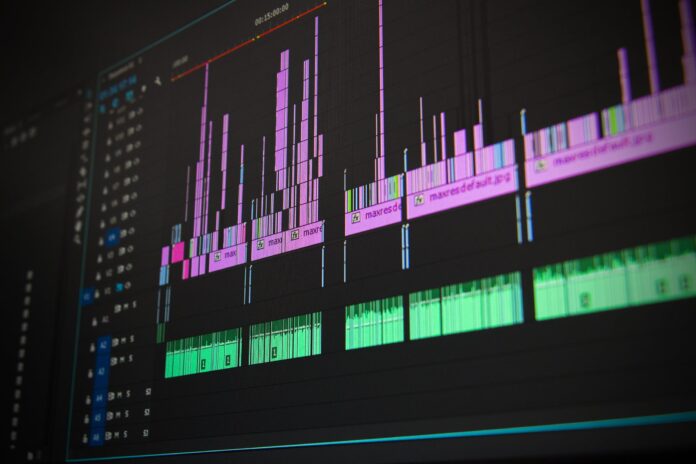
It is important to keep the timeline organized as it makes it simpler to locate clips and maintain sequences. You can maintain an order by naming your tracks and keeping every component in a specific track.

  • Failure to auto-save

A lot of video editing software has the tendency to crash whenever the edit comes with a large number of elements. Crashing can also occur if your computer doesn’t have sufficient computing power. That’s why it is important to set up auto-save—most likely at a regular interval of 5 minutes.

The majority of video editing apps don’t come with auto-save as their default setting (some do, but the interval is around 15 minutes). That’s why you need to check this particular setting before you begin any editing project.

  • Pacing

One of the basics of being an editor is to understand pacing. Pacing of edits can change, depending on the scene. Therefore, it’s important to find and maintain a rhythm. If you’re cutting scenes with lots of action, you need quick pacing of the edit. Once this is established, you should stick to it until the fast-paced scene ends.

  • Jump cuts

Even though jump cuts are now popular in video blogs, you should try to stay away from them in traditional editing. Jump cuts are cuts where portions of the action get removed, meaning time will slightly jump ahead (it is usually annoying for viewers to sit through). To avoid having to use jump cuts, try to cut on actions.